
Explore the best trekking destinations, engage in thrilling activities, and join expert-guided tours for an unforgettable adventure in the heart of nature.
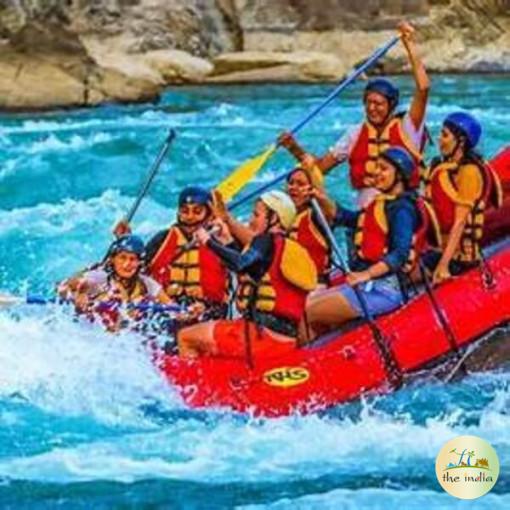
4.5(2 Reviews)
6D/5N
5 Nights 6 Days Manali By Volvo Package Price From Delhi
 Himachal Pradesh, India
₹ 11,500
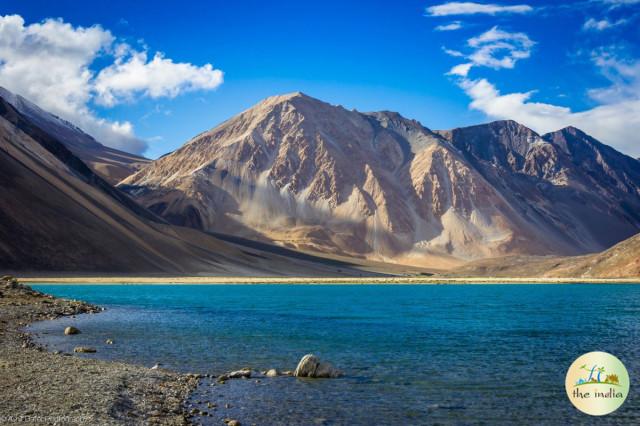
4(1 Reviews)
6D/5N
Luxury Leh Ladakh Tour Package with Khardung Karzok (5 Nights-6 Days)
Delhi, India
₹ 30,000
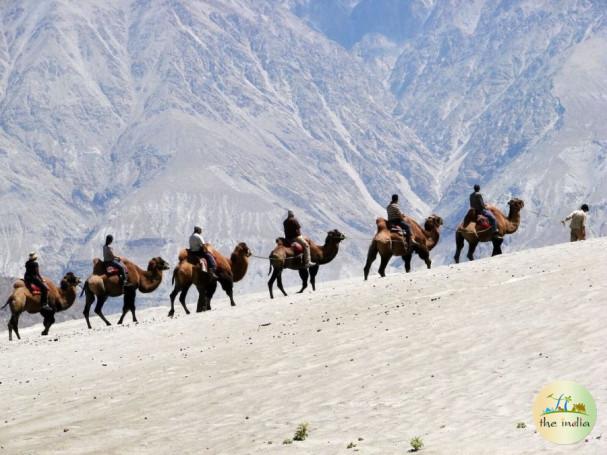
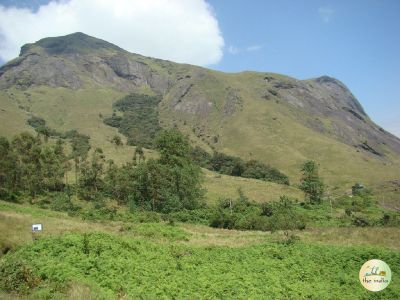
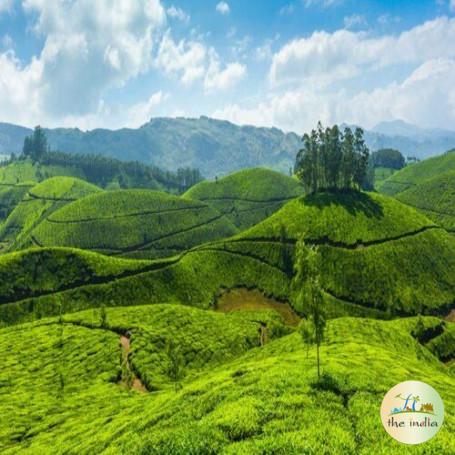
Are you planning for your next tour to hill station? Munnar can be your best choice if you want to experience the beauty of Kerala. Eternal spread of tea plantations, immaculate valleys and foot hills, interesting species of flora and fauna in its wild nature reserves and jungles, fragrance of spice sniffed cool air and beauty at its best.
Welcome to Munnar!
Cheeyappara Waterfall, Silent Valley, Rajamali National Park, Tea Museum, Mattupetty Dam, Echo Point, Grassland and Kundala Lake would surely justify your reason behind visiting Munnar. If you are non-veggie then Munnaris bliss for you. Fish and beef (however now proscribed) are extensively consumed in God's Own Country. Usually, Kerala chic Malabar parotta and rice are complemented by beef, fish and meat.
Munnar's name is derived from the Malayalam words "Munu" (three) and "Aru" (river), referring to its strategic location at the confluence of three rivers: Mudhirapuzha, Nallathanni, and Kundaly. The region was a popular summer resort for the British during the colonial era and remnants of British influence can still be seen in its architecture and tea plantations.
Munnar is one of the most beautiful places to visit in Kerala. There are some amazing photogenic places to visit in Munnar like eco point, top station and many more. The details of such photogenic places of Munnar are described as below.
This artificial lake, known for prolific beauty, is located around 20 Km from Munnar. You can enjoy leisure activities like boating and explore the picturesque charmer of nature. Kundala Lake is enveloped by hills and valleys which is also a home on the “Neelkurunji” flower that blooms once in twelve years. You can visit here throughout the year. There are no entry fees here but you will be charged for carrying a video camera.
If you want to enjoy embracing views of the Western Ghats and the most charismatic valley in Munnar, Top Station is a must-visit. It has acquired this name because of being the highest point with a railway station. Adventure lovers can undertake trekking to the top station through the central village.
Located at 15 Km from hill station is the most mystical place to visit in Munnar. Visitors enjoy the natural phenomenon of echo here. The eye-catching beauty of this place is fascinating for both kids and adults. Carrying a trekking /walking stick is recommended while ascending through steep slopes.
It is also known as Indo- Swiss dairy farm. This place will give you an insight into how livestock is taken care of to produce the best quality dairy products. The lush green pastureland gives its visitors an alluring view. Do not miss this serene place in Munnar.
It is located within proximity of 15 km from Munnar. Declared as a World Heritage Site by UNESCO, it is spread across 97sq. Km and is home of endangered NilgiriTahrs. A paragon reservoir for nature and wildlife lovers, the park also serves as the habitat for many exotic and endangered species. Indian Muntjac, Golden Jackal, Tiger, Leopard, and NilgiriLangur can be photoengraved here.
Trip to Munnar will be incomplete if you don’t visit this place. This 16 acres parkland is a home of rare and exotic plants. It’s a hub for thrill and leisure seekers. Activities like boating, bird watching, nature walk, roller skating, and adventure trails can be enjoyed here.
Ashtamudi Lake is famous for its amazing backwaters, greenery, and vibrant birdlife. It is the best place for a beautiful houseboat ride and picturesque views.
The Anamudi peak is 8842 feet above sea level and is situated in the Anaimalai hills. This mountain is the highest point in South India and the Western Ghats.
Attukad waterfalls are located between Munnar and Pallivasal and are well-known for their long trekking route. It is located 9 kilometers from Munnar and is visible from the road.
Meesapulimala is one of the most popular and the second highest peak in western ghats. If you love doing trek, you must consider going to Meesapulimala trek where you can find various options to stay from Kerala tourism.
You atleast needs 3 days if you want to cover all different places mention here.
For adventure lovers, Munnar offers a variety of activities:
There are various park available in Munnar which offers different activities for the entire day. You can enjoy water sports, cycling, tea plantation visit, kids area and all amazing rides as nominal fees.
Kerala's rich culinary tradition is well represented in Munnar. The local Kerala cuisine is a delightful mix of flavors. Must-try dishes include:
The best way to experience the culture of any region is to attend their festival. If you really want to feel the tradition of Munnar, you should visit it during all different festival mentioned below.
June to September is the rainy season here and despite the fact numerous travelers avoid coming here in the monsoons, this is a wonderful time to holiday in the hill station. Enclosed by opulent green vegetation, rains in Munnar have an allure of their own.
Winter can be considered as a best season to visit Munnar where highest tourist comes to this place.
Weather in Munnar is mostly pleasant especially during winter and monsoon.
Munnar is the best place to visit in Kerala, which promises a perfect combination of natural beauty and adventure. Plan your trip to this amazing hill station.
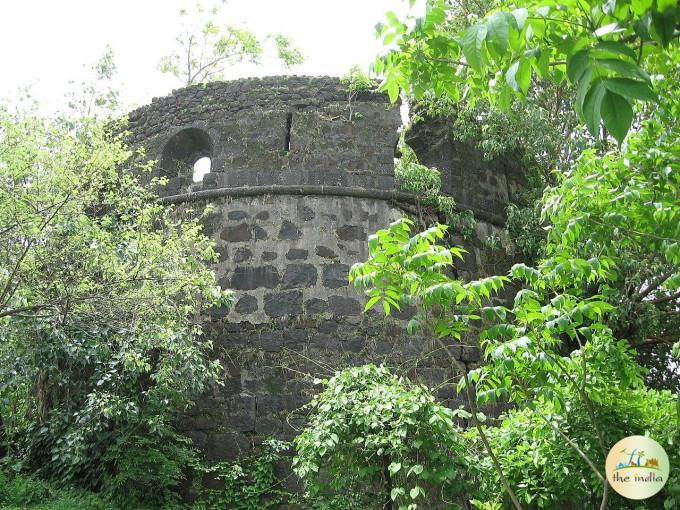
Mumbai is one of the most popular spots and is a must-visit city if you want to enjoy the glitz and glamour. It is home to the Hindi Film Industry or Bollywood and is a cosmopolitan city with modern culture. You can enjoy a lot here including shopping, sightseeing, and great food too. The popular spots like Gateway of India, Bandra Worli Sea Link, Hanging Gardens Shri Siddhivinayak Temple, and Malabar Hill are a must-visit. You can also enjoy looking at the home of popular Actors and celebrities who all reside here. The Juhu seashore and Marine Drive give a stunning view of the sea here. Mumbai has a great nightlife too that should be explored.

The city of Celebrities and The city of dreams is named Mumbai. It has seen its habitation and seen the Stone Age. Earlier Bombay or Bambai as popularly known as witnessed many dynasties ruling over its land. The capital city of the state of Maharastra got its new name Mumbai in March 1996.
This culture-rich city has gained much popularity because of its Cinema famed as Bollywood, which is the dream destination of each musician, actor, and dancer.
Mumbai holds very significant tourist places in the country and that’s why is always flooded with thousands of tourists, making their way in the crowd of the city. The top tourist attraction of Mumbai that should not be missed

It was actually a permanent gateway built in 1924 to welcome King George V and Queen Mary to Bombay from Britain. The grand structure is now a typical icon of the city.
Haji Ali is the perfect blend of architecture and religion, the mosque of Haji Ali stands in the Arabian Sea. It sees people beyond the boundaries religion, and thus welcomes the devotees of every religion.

These ancient rock-cut caves have lots of artistic works to display. The place is a UNESCO World Heritage Site and sees visitors from across the world.

Ratangad Fort 2000-year-old fort calls the tourists as well as the trekkers to offer the scenic view of Nedhe. The place provides a chance to peep into India’s rich past and heritage.

Apart from looking for your favorite Celebs in Mumbai, one can do a variety of activities here.
The breathtaking view of the city amidst the Arabian Sea is truly a treat. Do not miss the ride once you are here.
For all the shopping buffs, the place is a must-visit. Pack your packs with a variety of goodies at stealing prices.

Don’t be confused if someone calls it Borivali National Park. The place offers wildlife exploration, safaris, mini train rides, boating, and trekking, what else one can ask for?
Also read: Top 23 Must-Visit National Parks and Wildlife Sanctuaries in Gujarat in 2023

The shores of Mumbai give the unique sunset experience to be remembered lifelong.

There are many places for trekking in Mumbai. These are perfect for adventure lovers.
Mumbai looks its best in the Months of November till February. You can enjoy the pleasant winter here. Because in summer you will have too much humidity and in monsoon you will not be able to find a road to walk.
The Mumbaikars are the most foodie people in the country. Their taste of food is surely going to amuse you. Do try some of these signature dishes of the city:
You cannot imagine Mumbai without vada pao. The tasty combination of bun with cutlet serves as a daily breakfast for thousands of on-rush people of Mumbai.
The tangy spicy blend of vegetables served with the popular pav bread is the Mumbai’s specialty. The dish sees its place one in every 3 stalls.
The authentic dish of the Mumbai deriving its name from its parent city, The Bombay sandwich gives perfectly shaped bread layers stuffed with lots of vegetables and cheese.
As the city of Lord Ganesha, Mumbai promoted Ganesha’s fav sweet dish too. Prepared in a lot of styles around the country, Mumbai serves you the perfect Modak.
The perfect amalgamation of yellow gram with jiggery sizzled with some cardmon and nutmegs, rolled into the wheat dough to form a shape of paratha, and are one of the tempting dishes of this region. Ah!! I am salivating reading this.
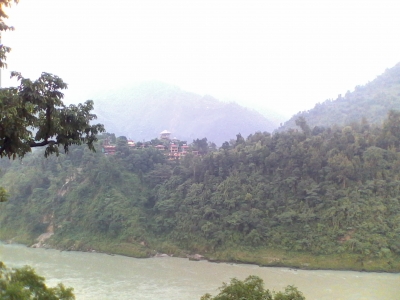
Renowned as the Yoga Capital of the world, Rishikesh located in Uttar Pradesh is a complete package of spiritual, adventurous, holy, and/or romantic destinations for all kinds and age groups of travelers. It is also acknowledged as an entryway to the Char Dham. The adventure activities like propelling, camping, hiking, bungee jumping, and river rafting are offered here under the guidance of experts.
Taste the Masala Chai, Samosa, Banana Curry, and Dal Makhni with Butter Roti when you are here. Celebrate the International Yoga and Music Festival, International Kayak Festival, Holi, and Basant Panchmi here with altogether different enthusiasm and zeal.
If you want complete peace and not much crowd then visit Rishikesh in January & February month because at that time tourists are very less there and you can enjoy the true beauty of the place.
Rishikesh offers a wide range of accommodation options, from luxurious riverside resorts to budget-friendly guesthouses. Here are some popular choices based on people's reviews:
Rishikesh enjoys a pleasant climate throughout the year.
Summers (April-June): In Summer, the weather is warm. The average temperature is between 25-35°C.
Monsoons (July-September): Moderate rainfall is expected, which will make the surroundings lush and green.
Winters (October-March): Winters are mild with temperatures dipping as low as 10°C.
You can visit Rishikesh throughout the year except during Monsoon because you can’t do some adventurous activities during this time. May and June months are pretty hot in Rishikesh when the temperature goes up to 35 °C. Try River Rafting here from late September to October and mid-November. Alternatively, you can visit Rishikesh from early March to April and at the beginning of May. If you want complete peace and not much crowd then visit Rishikesh in January & February month because at that time tourists are very less there and you can enjoy the true beauty of the place.
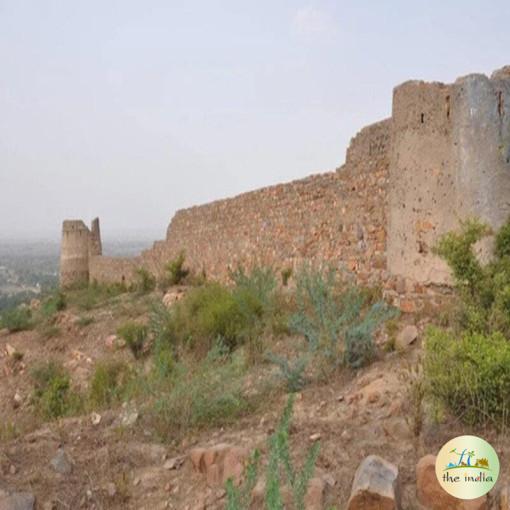
A city that has been repetitively emaciated and born-again, with remnants of lost kingdoms in every locality. It has so much to experience; see and capture. Being the most polluted and populated city it welcomes tourists from every part of the world. Humayuns Tomb, Qutub Minar, Lotus Temple, Jama Maszid, India Gate and Red Fort are the names we are hearing since our childhood days. Besides visit Jantar-Mantar, Chandni Chowk, Tughlaqabad Fort, Akshardham, Hauz Khas Fort, Garden of 5 Senses, ISCKON Temple, and lot more. Your visit to New Delhi would be incomplete if you haven’t tasted Chhole-Kulchha/Bhatura, Aalu ka Paratha, Dal-Makhani, Dahi-Bade and Chaat Pakodi.
Being the capital of the country, New Delhi celebrates almost all the festivals with equal zeal and cheerfulness. Be it Holi, Diwali, Dusherra, Chhat Pooja, Ganpati Pooja, Navratri and others Delhites offer equal respect to all.
Best Time to Visit New Delhi:
The best time to plan for Delhi is from October to March when Delhi has the most pleasant weather from the year. In these months blossoms are at their flowering best but make sure you take enough woolen clothes with you because temperature is almost around 0 Degree during winter.
How to reach New Delhi:
Delhi is linked by airways, railways and roadways with all most important cities from India.
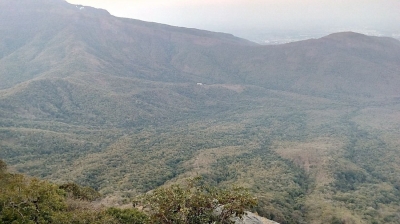
Junagadh is a historical place in Saurashtra region of Gujarat and famous for “Girnar Mountain” and “Asiatic Lion”. It is said to be once the capital of the Nawabs of Junagadh before independence of India. Junagadh is located near the Girnar Parvat range, the city has an interesting mix of Buddhist monuments, mosques, Hindu temples, elaborate mansions, and Gothic archways.
Bhavnath region of Junagadh is very popular for pilgrimage activities and is a must visit place during Maha Shivratri. Devotee from all around the world visits Bhavnath to celebrate Shivratri. Apart from this, there are various places you can visit in and near Junagath which includes:
If you are on trip to Sasan Gir (Gir national park), you must plan 1-2 days to explore the Junagadh and near by region. Here are few places you should visit in Junagadh.
Girnar is known as an ancient hill in Junagadh, Gujarat. It is also known as the biggest pilgrimage center for Jains, where the 22nd Tirthankar, Lord Neminath attained nirvana. Girnar Hill is also famous for its excellent view where tourists and adventure go side by side. It will require one full day for you to visit Girnar mountain by stair as you will have to climb 9999 stairs to reach at the top Datatraya pick of Girnar mountain. Now there is an option to reach on top via Rope way but is subject to weather.
Uparkot fort is located on the eastern side of Junagadh. The fort is a famous piece of architecture built around 320 BC during the Chandragupta of the Mauryan Empire. The fort is a Great Place to visit in Junagadh which shows the strength of 3rd century BC. Within the fort you will also find is a complex of Buddhist caves which is believed to belong to the 1st-4th Century AD.
Gir Forest National Park is a big wildlife sanctuary located in Gujarat, western India. This sanctuary was set up to protect the Asiatic lions. Because of its amazing location, The Park has now become the center of attraction for tourists. Every year, this national park attracts numerous tourists in a large number of tourists from various parts of the world to experience its charismatic natural bliss. Junagadh sightseeing is fascinating in all the season.
The tomb of Baharuddin bhar is an excellent piece of architecture established in Junagadh, Gujarat state, India. In the year 1878, The construction of the Mahabat Maqbara takes place by Nawab Mahabat Khan and was concluded in the year 1892 during the reign of Nawab Bahadur Khan III. It is Junagadh's famous place which is surrounded by tourists in all the seasons.
Girnar Jain Temples is a group of temples focused on the 2 most significant parts of Jainism - Digambara, and Svetambara. The temple complex exists in the midst of the Girnar Mountains located in the district of Junagadh the Indian country of Gujarat. You need to climb around 10,000 steps to reach the top of the temple complex. A few idols are as old as 84,000 years and it is still well maintained. Junagadh sightseeing is the best in the country.
The tomb of Mahabat Khan is a 19th-century mausoleum. It is a renowned landmark of Junagadh. The monument was constructed at the request of Mahabat Khanji, and later in 1892 his successor Bahadur Kanji completed the structure under his rule. Mahabat Maqbara is an incredible architectural wonder that hasn't had much press in modern times.
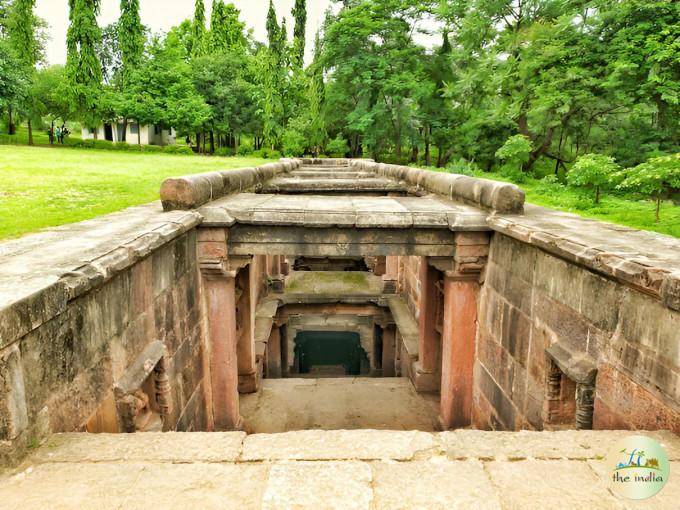
One of the good cities on the banks of River Sabarmati in Gujarat. It is a popular tourist spot and a commercial city in the state. Ahmedabad is a popular destination and it allows a great spot for unwinding. With the chance to explore the architectural grandeur and Gujarati culture, Ahmedabad is worth a visit for a weekend. It has beautiful gardens and many shopping destinations
Being the largest city of Gujarat; it is recognized for noteworthy buildings, extraordinary arts center, sensible cafés and delightful night markets. It has always been known for its opulent past that recaps us of the Mughal, Maratha and Delhi Sultanate rule along with the independence fight of India.
Swami Narayan Temple, Kavi Dalpatram Chowk, Calico Dome, Haja Patel ni Pol, Kuvavala Khancha, Doshivada ni Pol, Rani no Haziro, Harkunvar Shethani ni haveli, Science City, Kankaria Lake, Sabarmati Ashram, Sabarmati Riverfront and so on are among few places that would make your Ahmedabad visit complete. Local street food is must have here. World famous Dabeli, diverse types of breads like Rotli, Thepla, Maal Pua, Puri, Bhakhri are mouth-watering. Try Khari, Khakhra, Dal-Dhokli, Chevdo, Dhokla, Undhiyu, Khaman, Bhusu, Fafda, Papdi, and Sev-Mamra before you leave Ahmedabad. Ahmedabad is indeed heaven for Vegetarians. And there are many tourist places near Ahmedabad where you can spend time with your nearest one.
Uttarayan: International Kite festival in January and Navaratri in October are celebrated here with unmatchable passion and joy. Don’t miss these festivals.
Ahmedabad sees three main seasons, specifically summers from March to June, winters from November to February and monsoon from July to September. In the summer season, the temperature lies between 44 and 47 degree Celsius. Hence visit this city in winters and monsoon.
The best time to visit Ahmedabad is from October to March when the weather is mild and pleasant for driving around the city. Summer begins in March and lasts until May when the daily temperature reaches a maximum of 30 degrees, which is ideal for sightseeing. The monsoon season runs from June to October and is best for traveling when accommodation and travel costs are drastically reduced.
Kodaikanal is often referred to as the "Princess of Hill Stations." It is located in the Dindigul district of Tamil Nadu. It is situated at an elevation of about 2133 meters above sea level. The famous tourist attractions include the star-shaped Kodaikanal Lake, the stunning Coaker's Walk, and the vibrant Bryant Park along with numerous waterfalls. Kodaikanal is also famous for its homemade chocolates, eucalyptus oil, and vibrant local flora including the rare Kurinji flower that blooms once every twelve years.
This is a beautiful temple dedicated to Lord Murugan and is also a famous temple with rare flowers (Kurinji) that blossom once in 12 years. It is a quiet temple situated on a hill and has a good view of the surrounding scenery. It is a nice place for both religious and environmental enthusiasts.
It is a star-shaped lake and one of the most popular spots in Kodaikanal. Visitors are involved in boating, horse riding, and bicycling around the lake. It is a great place to spend your day with family or friends on a cool breeze with a beautiful view.
Bryant Park is a beautiful garden located beside the lake. It is a beautiful place with flowering plants, broad lawns, and exotic plants which makes it a favorite destination of those who are lovers of nature. It is also an ideal place to take a calm walk or even have a picnic.
The cave, once called Devil Kitchen, was renamed so due to the shooting of the Tamil film Guna. The caves are mysterious and adventurous and are surrounded by a thick forest and fog. It is a favorite destination for thrill-seekers and photographers.
The Pine Forest is a gorgeous strip of straight and tall pine trees, which is quiet and shady. It is a popular spot for photography, short walks, and film shoots. It is a beautiful rest stop with the smell of pine and quietness.
The museum attached to Kodaikanal Observatory is an interesting one with numerous exhibits regarding space, stars, and planets. Tourists have the opportunity to learn about astronomy through entertainment. It’s a great place for students and families.
It is a small waterfall just by the side of the road, perhaps one of the first things that you see when you get to Kodaikanal. The water is flowing down at a height and it is a refreshing sight. Most of the tourists would take snaps and have snacks here.
Dolphin Nose is a rock structure resembling the nose of a Dolphin, giving one an exhilarating sight of the valley. It is reached by a short walk across forest tracks. This place is just incredible with a view that is breathtaking all by itself (particularly in the early morning).
This seasonal waterfall is also situated within a forest region and it is most recommended during post-monsoon. It is less crowded and tranquil and perfect for nature lovers. The name comes from stories of bears once coming here to drink water.
Kodaikanal has many stay options for every budget:
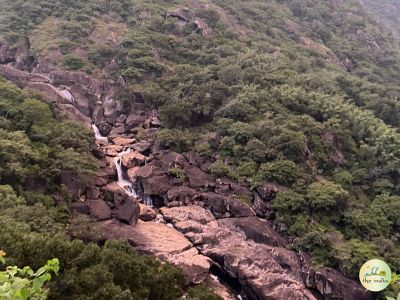
Mount Abu the only hill station of Rajasthan is also known as the Oasis in the Desert. Guru Shikhar in Mount Abu is the highest peak of the Aravali range situated on an isolated plateau of hills about 4000 ft above sea level. Earlier this beautiful Hill Station was the Summer Administration center for the rajwadas of Rajasthan and Gujarat.
If you are planning to visit Mount Abu, don't forget to explore these best tourist places to make your visit worthwhile are the beautiful Nakki Lake surrounded by the mountains, the market on the lake is a little expensive but fascinating due to the variety of products which can surely make a memory for a shopaholic. Mount Abu has a bundle of amazing rock formations one of them is Toad Rock as the name suggests it looks like a toad watching the beautiful lake have a natural attraction for the tourist, these formations surely expand our intellectual capabilities.
Guru Shikhar is the highest peak of the Aravali Range and standing on top of the mountain peak of the oldest mountain range is a lifetime experience. The InfraRed Observatory and the surrounding landscape is a gem to watch from Guru Shikhar. The last sightseeing point is Sunset Point, where the view of the Sun setting slowly from the holy mountains releases our tiredness and sets us for a walk in the market which is not far from the point. The Mountain pass to reach Mount Abu is one of a kind, it’s a spellbound journey.
Guru Shikhar is the tallest mountain in the Aravalli Range and is also the highest point in Rajasthan. It allows visitors to enjoy the beautiful sight of the nearby hills and valleys. The hill has a temple at the top dedicated to Lord Dattatreya. It’s pleasant to hike up early in the morning.
The Maharana Kumbha built Achalgarh Fort and it is remembered for its significance in history. Within the fort is Achaleshwar Mahadev Temple which has a naturally occurring Shivling. The scenery includes a broad view of the hills. The area is peaceful for people interested in history and nature.
Toad Rock is a special landmark, looking like a toad ready to leap into the lake. Nakki Lake is close to it and it is often visited by tourists for taking photos. You have to climb a little to make it to the top of that rock. In this area, you can take in the nice views of the lake and of the town.
These Jain temples are famous all over India for their beautiful marble carvings. Built between the 11th and 13th centuries, they show the finest craftsmanship. The temples are peaceful and spiritual. Photography is not allowed inside to maintain the sanctity.
Nakki Lake looks like a heart and is surrounded by hills and gardens. You can relax by boating or by walking around the lake at night. According to myths, gods formed the lake by digging with their nails. Mount Abu is known for its amazing Nakki Lake.
Sunset Point is a favorite spot to see the sun setting over the hills. The area is very peaceful and romantic, especially around sunset. People come here to have a good view of the colourful sunset and fresh air. Try to arrive just a bit early to get a decent spot.
The temple is devoted to Goddess Arbuda, a form of Durga, and is found inside a cave. It takes around 300 steps to get to the temple. Both the journey and the sight at the top are wonderful. Local people find it a significant place of pilgrimage.
Trevor’s Tank is a lake created by humans, surrounded by greenness. It is best known for its crocodiles and large bird population. Nature lovers and bird watchers will enjoy the peace and wildlife. It’s a good picnic spot near the forest area.
This sanctuary extends over a wide area and provides a home for many rare plants, animals, and birds. The sanctuary allows you to see Indian leopards, sloth bears, and countless species of deer. You can take nature walks or go on jeep safaris. The place is popular for anyone who enjoys exploring the wild in Mount Abu.
Ambaji Temple - A famous and sacred temple of Goddess Amba, visited by lakhs of devotees every year.
Gabbar Hill - A holy hill believed to be the original seat of Goddess Amba, offering beautiful views and a ropeway ride.
Mount Abu offers many options for staying, suitable for all budgets:
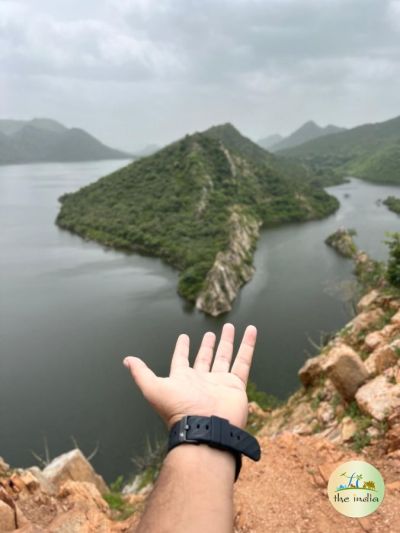
The “City of Lakes” Udaipur is also renowned as the ‘Venice of the East’. This royal city was founded by in 1559 by Maharana Udai Singh II as another capital of the Mewar kingdom. The city is also distinguished for miniature portraits. Dal Baati Choorma, Pyaaz ki Kachori, Mirchi Bada, Ghewar and Malai Ghewar would definitely sooth your taste buds.Udaipur celebrates Mewar Festival or Gangaur, Shilpgram Crafts Fair are must see here. Taking a Cycling Tour in Udaipur City and Its Peripheries is another best thing you can do here. It would give you an opportunity to explore city from a closer look.
Best Time to Visit Udaipur:
The best time to plan for Udaipur is the winters. The temperature rests comfy and is appropriate for sightseeing and visiting to the monuments including places of interest in Udaipur. The best months to travel here are September to December and February March of every year.
Places to Visit in Udaipur:
Lake Pichola, Chetak Samadhi, City Palace, Bagore Ki Haveli, Fateh Sagar Lake, Ambrai Ghat, Monsoon Palace, Saheliyoki Bari would complete your Udaipur trip.
How to Reach Udaipur:
Weather in Udaipur:
The city of lakes, Udaipur, has a tropical climate.
Winter
The best time to visit this location is during the winter, which begins in October and lasts until March when the days are cool and sunny and the nights are cold. The temperature drops to 5 degrees Celsius at night but stays around 30 degrees Celsius during the day.
Summer
The summer season begins in mid-March and lasts until June. The temperature varies between 23 and 44 degrees Celsius. It is unquestionably not the best time to visit Udaipur.
Monsoon
The monsoon season starts from July to September (25°C to 35°C). Despite receiving less rain than other cities in India, Udaipur is regarded as one of the best places to visit during the monsoon season.
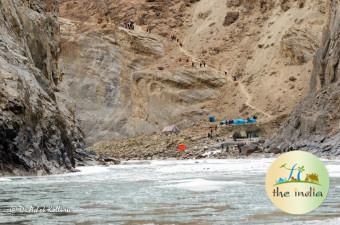
It is a heaven on earth with its hypnotic beautiful exquisiteness and is consecrated with imposing snow burdened Himalayan ranges, lavish green landscape, glittering blue waters and profound chasms. Leh makes you come into entire new world where you can relax, revitalize and sooth your senses. It fascinates many travellers not only from India but from the across the world.
Shanti Stupa, Alchi, Thiksey Monastery (Gompa), Shey Palace and Monastery, Pangong Tso (Pangong Lake), and Sindhu Ghat are few places to be visited when you are here. Taste the local dishes like Thukpa, noodle soup, Tsampa, known in Ladakhi as Ngamphe (roasted barley flour), and Skyu which is a heavy pasta dish with ample of vegetables and the popular Momos.
If time permits, plan to celebrate local festivals namely Losar, Hemis, Dosmoche, Sindhu Darshan etc. to get to more about Leh culture and traditions.
Best time to visit Leh:
The best time to visit Leh would be April to July when summers are here and temperature goes from 15 – 30 degree Celsius. Very less people plans to go Leh during monsoon time when temperature varies between 3 to 17 degrees Celsius. Avoid planning in winters i.e. from October to March as the temperature falls from 0 – 15 degree Celsius.
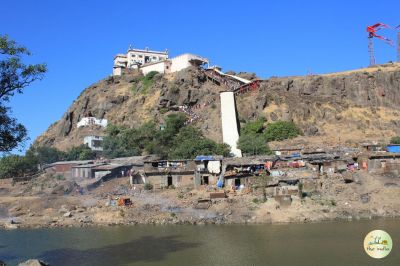
Vadodara is well known for being the cultural capital of Gujarat located at the banks of River Vishwamitri. The culture is rich and the traditions are lovely which makes it a must-see during the annual Navratri festival.
The culture and the stylish atmosphere in the city are well worth your attention at this time. It is famous for its history and architecture which make it beloved by travelers. Vadodara was built during the reign of Maharaja Sayajirao III, so it attracts many people interested in history.
You can find all different types of places you can visit near Vadodara that includes natural places, adventure park, historical monuments and many more. In this page, you can see all such places shared by TheIndia users who actually visited them and shared their experiences. Some of the most popular places includes:
You can find Kotna Beach near the banks of the Mahi River and it is considered very peaceful. This area is a wonderful spot for a quick picnic or family and friends outdoor time. A lot of visitors arrive here in the evenings to see the beautiful sunset. Various water activities are available at Kotna beach like Kayaking.
The garden is well known by its other name, Kamati Baug and it is among the biggest in western India. The park features a zoo, a children’s train, a museum, and lush green areas. Many families like to come here on the weekends to enjoy quality time together.
It is one of the biggest privately owned residences in India. The royal Gaekwad family built this palace and it features impressive architecture, a museum and collections that belonged to them. The royal family in Vadodara continues to live in the palace.
The Laxmi Vilas Palace Museum includes paintings, sculptures and old artifacts and is part of Sayaji Baug. This is a good venue for people learning about history and art and for those who enjoy culture. It looks like an old, beautifully designed building.
Ajwa Garden is known for having musical fountains and lots of green areas. You can have a pleasant evening here with your family. Kids love the fountain show and the park is always maintained and clean.
This place is a calm water spot and you can get to it in a short drive from Vadodara. Many visitors come to enjoy nature, especially during the monsoon. Many come here for trips lasting a few hours to enjoy the natural water and vegetation.
Kirti Stambh is a tall and imposing building found in the center of Vadodara city. It represents the story of progress and growth. This area is popular for meeting up and for taking pictures.
Once a royal residence, Nazarbaug Palace now stands with traces of its grand past. It is not in the best condition today, but still holds historic value. It reminds us of the rich heritage of the Gaekwad dynasty.
If you have more time, you can also visit these wonderful places near Vadodara For one day or two days picnic.
Vadodara is also provide various options to food lover.
Vadodara has many good places to stay, suitable for all types of budgets:
If you are looking for a peaceful weekend or family outing, there are also some nice resorts near Vadodara that offer a relaxing environment away from the city.
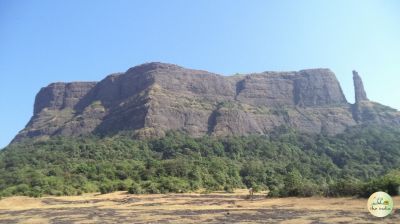
The Oxford of the Eastern region of India, the city of Pune (पुणे) is one among the largest city of the country in terms of its vast empire and also the people it houses. One can’t resist getting a youthful vibe here.
This metropolitan city has its roots sprouted from the old Poona. Poona had witnessed the glory of the Maratha Empire, which helped India being an independent country. The city shows the perfect amalgamation of modernity with tradition, which adds to the adoration of this beautiful city.
In the due course of time, the city of Pune witnessed many cultures and civilizations. But still it hasn’t gone far from its typical Maharashtrian conduct.
The best thing about Pune is its weather! Yes, it is surrounded by beautiful ghats and mountains and you can enjoy all different seasons here. Especially monsoon! you can go for trek to various ghats and fort, enjoy waterfall and can do various activities in and near to Pune.
Apart from the culture and history, the city of Pune is also blessed with a rich heritage sites, pilgrimage sites and natural sightseeing places. The climate of Pune is so pleasant that it keeps calling visitors from all over the country, all year round. Now let’s explore the places to visit in Pune.
You must include following places in your Itinerary to Pune -
These are only few to mentions of Pune but, there is lot more to explore in Pune and the city is truly a piece of heaven for the travel enthusiasts. You can visit this page which will cover more of such places to visit in and near to Pune.
Once you are in Pune, apart from visiting tourists places of the city, there are many more activities and fun awaiting for you. One can get chance to choose among the many options like -
Not your choice?? Wait…. Pune is having much more options. You can go for-
But the fun is still not over!! The city of Pune is party lover. It parties a lot. You can experience the nightlife here in its exotic resorts and Pubs spread all over the city.
I would suggest you to Plan your trip in the months between October and March, as the city sees most pleasant and predictable weather this time. Other months can be looking to scorching Sun or the rainfall. If you wanted to get the experience of romantic part of Pune, you should visit here in the month of May to June at this time there is little rain over here and you can the best monsoon experience in the Maharashtrian cities like Lavasa, Mahabaleshwar and Matheran.
The city never sleeps, nor does it’s eat streets. The streets of Pune are laden with delicious spicy tangy foods. One cannot resist themselves from tasting the mouth watering delicacies of the city. Not just the typical Maharashtrian dish, but you can find dishes traveling from across the country making their place in the vivid stalls.
You will regret later if you don’t taste the servings of -
I am sure you are going to thank me after tasting these.
Pune is a beautiful city to stay and to explore the nature, if you are from Pune and want us to cover any specific part of the city, please write here by comment and we will do our best to cover it.
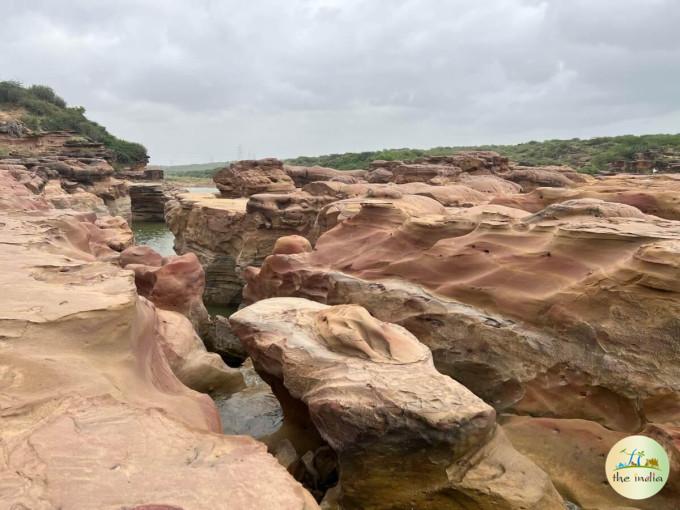
Bhuj is known as a desert city, it's an amazing tourist place with heavenly crafted works and gigantic royal palaces that have extraordinary beauty. It is situated in the lowland between the Rann (bog) and the Gulf of Kachchh (Kutch). Bhuj tourist places is home town to various historical monuments and sites, similar to the 2000-year-old Kshatrapa engravings in the Kutch historical center, the passage of mirrors in the Aina Mahal, the ringer pinnacle of Prag Mahal, the models in the Ramakund step well, and the shocking Hamirsar Lake.
Bhuj is well connected with Rail, Road and Air
Bhuj is well linked with Gujarat cities such as Ahmedabad and Baroda via road. You can get regular buses and taxi services to and fro Bhuj to these cities. Traveling to these cities are very easy and convenient. There are a few bus stands also there in Bhuj, the nearest one is at Lal Tekri, Ghanshyam Nagar and Sanskar Nagar. These bus stops are located within a 2 km radius from the city center.
The Rudra Mata Airport is the city's own airport. The airport is just 5 km from away from the city, and connected with Mumbai.
Like air travel, Bhuj is connected via regular Indian Railway trains with Mumbai. The Bhuj Railway Station is only 4 km from the main city and can be reached by 15-minutes of taxi ride.
The Rann of Kutch, a completely unique place in Gujarat, is certainly considered one among the most important salt deserts in the world. One of the excellent way to experience the divine splendor of the White Plains is to look it whilst it displays the moonlight at night. This rugged land of forts and palaces is an interesting holiday and excursion destination. The Kutch Fair will provide you with a sneak peek into the easy tribal way of life and provide you with a danger to discover their natural art forms that consists of embroidery, music and dance. It is among the best places to visit in Bhuj.
Kalo Dungar or Kala Dungar is a slop positioned near to Khavda city in Kutch region of Gujarat. It's maybe the most famed lodestones in Extraordinary Rann of Kutch that can be visited as a point of Kutch Visit. Kalo Dungar is Bhuj tourist places located at the height of 1516 feet above ocean position, offering a spectacle of the desert and sky melting into each other's arms and becoming one.
In the desert town of Bhuj, there is an arts and crafts village called Ajrakhpur. The place is known around the world for its Ajrakh print (block printed on fabric). Located at a distance of 15 kilometers from the city of Bhuj, the village sees the practice of Ajrakh printing through the ancestors of the Khatri Muslim community. Ajrakh block printing is inspired by natural colors and is done by hand with no machines or automation involved.
Located on the suburbs of the ethnic town of Bhuj, Prague Mahal is one among the excellent piece of architectural wonders in India. Built-in the nineteenth century, it's established next to the favored Aina Mahal and lies within the heart of the town creating it simply accessible. The grand palace comes in the list of Bhuj famous places, is equipped with lots of Gothic-style windows and Corinthian pillars around it.
Nirona village is approx 40 km from Bhuj. The region produces a number of the world’s most unique textile products, still as decoratively crafted metal works. There are well-defined shops in a very traditional, rustic setting, wherever locals from close villages sell their wares on mounted rates, on a monthly motility basis. It is famous places in Bhuj.
Than Monastery is located on the foot of Dinodhar Hill and is devoted to Dhoramnath. Then monastery, steeped in medieval traditions and customs, its real age disputable. The place is outlined by high walls like a small fortress, Bhuj sightseeing, there are several temples within the complex and few people visit the place.
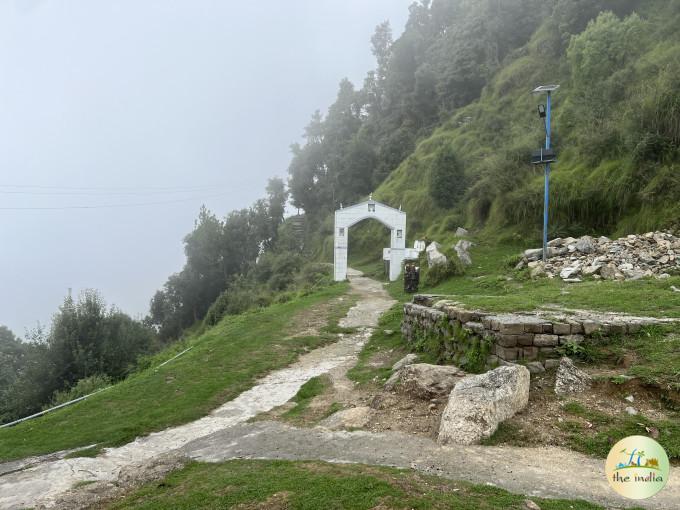
Are you looking for the best place to relax and unwind, Dharamsala is the perfect place to visit in Himachal Pradesh. Dharamsala is located in Kangra valley in Himachal Pradesh. It is situated at a height of 2090 meters above sea level on a lower slope of the Himalayan mountain. It is also famous for a number of temples and Buddhist culture, which is dominated by the Tibetan people and an abode of the Dalai Llama. People from different parts of India stay in Dharamsala, i.e., Tibetan refugees, Nepali, Gaddi folk, Kashmiri, and other migrant workers.
Various foods can be served on the streets of Dharamshala like momos, Bok Choy soup, Tibetan bread, Thukpa, KimBap, Thenthuk, Italian & Japanese food. There are many Dharamshala tourist places where you can spend time with your nearest one. Dharamshala is famous for many cultures and religions. Several festivals are celebrated throughout the year like the TIPA festival, Haldi festival, DrukpaTeshi, and Losar festival.
Dharamsala can be visited any time of the year, but the best time to visit Dharamsala is between the spring and summer seasons when the climate is enjoyable to explore the ancient temples and churches, sightseeing, and carry out adventure activities.
You can find a private vehicle on rent or a cab service to reach Dharamshala from Delhi, the capital of India. Also, Volvos are available from Kashmiri Gate ISBT in Delhi for about 1200-1500 INR per seat. It takes approximately 10 hours.
There is no railway station near Dharamshala. The nearest station is Pathankot railway station in Punjab, which is about 86 km from Dharamshala city. You can get a cab, a bus, or a private vehicle from the railway station to reach Dharamshala.
Kangra Airport also known as Gaggal Airport is the nearest domestic airport at a distance of 15 km from Dharamshala.
Summer months are considered to be the perfect time to visit Dharamshala between March to June. The climate is beautiful for adventurous activities like paragliding. There is heavy rainfall during monsoon seasons. There may be landslides during monsoon season in Dharamshala. Winter season is considered to be the perfect time to visit Dharamshala because of snowfall.
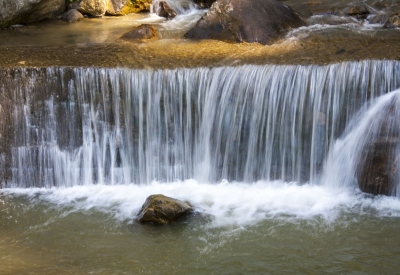
Gangtok, Sikkim's capital, is located in the eastern Himalayas. This area is well-known for its stunning natural beauty and dramatic landscapes. Most visitors come to Sikkim to enjoy the beauty of the colourful flora and fauna, as well as the serenity of hilltop Buddhist monasteries like Pemayangtse.
Nathula Pass, Rumtek Monastery, Tsomgo Lake, MG Marg, Tashi Viewpoint, Namgyal Institute of Tibetology, and Phodong Monastery are some of the best places to visit in Gangtok. In addition, there are numerous temples and many other attractions in Gangtok. It is a true tourist attraction. It is also one of the best places for a honeymoon.
Mount Katao, located in the northern part of Sikkim, is an ideal destination for adventurers and trekkers. This incredible location is located at an elevation of 15000 feet and is covered in snow almost all year. The best time to visit Mount Katao is from March to June when the weather is mild and pleasant. Skiing, snowboarding, and other adventure sports are also available during the winter months of December to February.
A 230-hectare lush forest reserve that overlooks the majestic Kanchenjunga range- is a stunning lush forest reserve. The park's goal is to protect rare and endangered species by providing them with a safe and natural habitat. The park was founded in 1991 with the intention of protecting the region's wildlife while rehabilitating it in its natural surroundings. Many of these species have become endangered as a result of hunting and poaching. Gangtok sightseeing is really amazing.
The Seven Sisters Waterfall is a popular waterfall in Gangtok. The picturesque beauty of the fall makes it a popular tourist destination for relaxation and rejuvenation. The prismatic view of the setting sun entices visitors to engage in a lengthy photography session. Every monsoon, the fall receives a flood of visitors with cameras strapped to their sides. It is a popular destination for photographers. It is also a great picnic spot for families with children.
Tsomgo Lake in Gangtok is the most popular tourist destination in Sikkim for experiencing the first snowfall. It is a glacial lake in Sikkim that is also known as Changu Lake. This is one of India's few magnificent high-altitude lakes. The reflections of the surrounding hills on the water make the lake even more appealing. A yak ride allows you to take in the scenery.
The months of late September to mid-December, as well as March to May, are ideal for visiting Gangtok. The autumn and spring-summer months have pleasant weather, which is ideal for sightseeing. From late September to mid-December, the days are bright and sunny, with unobstructed views of the Himalayas. Between March and May, the blooming of Rhododendron flowers is a sight to behold. It is best to avoid visiting Gangtok and the state of Sikkim during the monsoon months of July to early September, as heavy rain causes landslides, which can cause a lot of inconveniences.
Gangtok is a lovely Himalayan town located near the majestic Kanchenjunga which makes Gangtok a tourist spot. Throughout the year, the area is crowded with tourists. The best time to visit Gangtok, however, is ultimately a matter of personal preference and convenience. From September to June, Gangtok attracts a large number of tourists. However, if you are looking for the best time to visit Gangtok, the bracing autumn months of September and October, as well as the spring to summer months of March to June, are ideal.
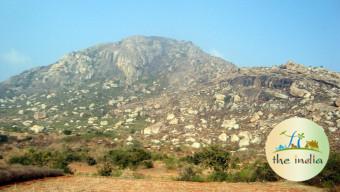
Bangalore represents the rich cultural heritage Known widely as the "Garden City,". Bangalore (also known as Bangalore) is the capital of Karnataka, India. The city, the center of India's high-tech industry, is also known for its parks and nightlife. The friendly climate provides comfortable staying conditions that make your trip worthwhile. With several amusement parks and historic buildings, the city is a paradise for travelers. Check the places listed by us of the best Bangalore attractions.
Bangalore Palace is an iconic monument that beautifully decorates the cityscape of Bangalore and attracts tourists throughout the year. Bangalore Palace is a royal palace in Bangalore, Karnataka, India. This palace is the Best Place to visit in Bangalore which offers a glimpse into the splendor and lifestyle of the Wadiyars dynasty, the former royal family of the Kingdom of Mysore.
Tipu Sultan's Summer Palace in Bangalore is an excellent example of Indo-Islamic architecture and served as Tipu Sultan's summer residence during his reign as Mysore's ruler. Hyder Ali began construction within the walls of the Bangalore Fort, and it was completed during Tipu Sultan's reign in 1791. It is an amazing place to see in Bangalore. The Archaeology Survey of India now maintains the palace as a tourist attraction in the heart of Old Bangalore, near the Kalasipalyam bus stand.
This botanical garden is one of the most striking botanical gardens established in India. It was constructed by Haider Ali and later reformed by Tipu Sultan. It is a famous Bangalore tourist place. The glasshouse installed in the garden was inspired by the Crystal Palace in London. The garden covers an area of 240 hectares where you will find more than 1800 species of plants, herbs and trees.
ISKCON Bengaluru is home to one of the world's largest ISKCON temples, providing an unforgettable religious experience. The temple, which has magnificent architecture, is well known for organizing a variety of activities for Lord Krishna devotees. The temple is only 100 kilometers from the city center and is one of the most extraordinary spiritual tourist destinations to visit in a single day.
Nandi Hills is an ideal place to feel a sense of unity with nature. One of the summer resorts near Bangalore, with its huge granite monolithic trout, it offers the best views. It is 60 km from Bangalore. These are the headwaters of the Para and Alcabati rivers. The hill is named after the famous Nandy Temple at the top.
Cubbon Park, also known as Sri Chamarajendra Park, is a well-known landmark in Bangalore. Cubbon Park is an ideal location for you to stay during your hectic holiday tour. The park encompasses 300 acres of land. It was built by Richard Sankey, the Chief Engineer of Mysore. There are beautiful walking paths in the park. It's the perfect place for you during your busy holiday tour.
One of Bangalore's largest lakes, Ulsoor Lake or Halasuru Lake, is located on the city's eastern outskirts. It is one of the city's oldest and largest lakes. Every year, during the Ganesh Chaturthi festival, Ulsoor Lake transforms into a hub of activity. Devotees flock here in large numbers to immerse Lord Ganesha idols in the lake.
The Bannerghatta National Park, located 22 kilometers from Bangalore, is a haven for a wide range of flora and fauna. This national park, which covers an area of approximately 104.27 square kilometres was established in 1971. The park is the best place to visit in Bangalore which aims to promote ecotourism and educate the younger generation on the importance of wildlife conservation and wildlife national parks. A zoo was created in the middle of the beautiful valley of Champa Kadama Hills in Bananagata National Park. And the best time to visit is the months of October to February are ideal for visiting Bangalore.
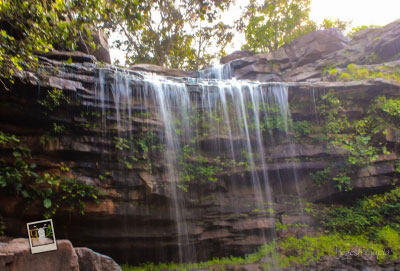
Raipur, the capital of Chhattisgarh, is a city rich in culture and history. It is home to the ancient Dudhadhari Math temple enhanced with Ramayana scenes, the still Vivekananda Sarovar with its towering Swami Vivekananda statue, and the open-air Purkhouti Muktangan museum showcasing tribal artifacts and carvings. It is known for its set of experiences and archeological sites, which makes this city an alluring traveler destination. Traditionally, Raipur's economy has been based on horticultural preparation and saw-processing.
Raipur, once part of the ancient Dakshina Kosala region, has a rich history linked to the Maurya and Gupta empires. Before falling under the Sharabpuriyas who molded its legacy for centuries it first seemed under Buddhist and local dynasties like the Sirpur rulers peaking under Tivaradeva's rule.
The best time to visit Raipur is from October to March when the weather stays pleasant and comfortable for sightseeing. It's better to avoid the summer months as they can be quite hot.
Raipur offers a mix of traditional Chhattisgarhi cuisine and popular North Indian dishes. Try the local treats such as the annoyed lentil snack known as Bafauri, the rice flour pancakes, Chila, and Dehrori. The number of cafes and restaurants offering international cuisines is also rising in the city.
For traditional goods like handicrafts and tribal jewelry, Raipur provides a lively shopping experience with markets like Gol Bazaar and Sadar Bazaar. You can check out Ambuja City Center Mall or Magneto Mall for a more modern feel.
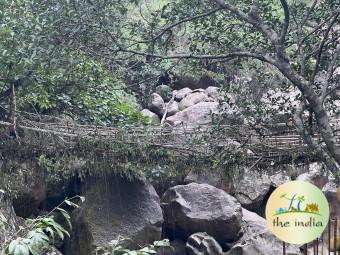
We all know Cherrapunji because it is famous for heavy rain falls in entire India and was also known as wettest place on earth. But it is also blessed with wonderful natural places and amazing waterfalls as well. Locally known as Sohra, it is a small town located at around 45Km from Shillong, a capital city of Meghalaya state.
Cherrapunji is surrounded by east khasi hills with lush green dense forest and beautiful waterfalls and hence became the most popular tourist destination in north east region of India.
You will be surprised to know that, Cherrapunji is the only place where you will find living root bridges. Yes, Khasi tribe who used to train roots of Ficus Elastica tree to grow over the stream of water which form a bridge like structure which was used by the locals to cross the rivers for centuries.
Double decker living root bridge is one of the most popular tourist destinations in Cherrapunji attracts thousands of trekkers every year.
Cherrapunji is a small village and hence, night life is not that much popular. If you really want to spend time in nature, you can plan stay in Sohra or you can book your hotel in Shillong and can plan day trip as well.
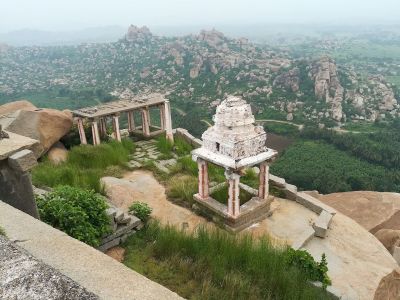
Hampi is a gorgeous town that takes you back in time with its history, myths, and awesome architecture. This UNESCO World Heritage Site uses its wonderful views and antique ruins to tell the grand story of the Vijayanagara Empire. Hampi is a popular destination for history fans, tourists, and photographers because of its exciting culture and spiritual atmosphere.
Hampi, which started as a small town, rose to standing in the 14th century when it became the capital of the Vijayanagara Empire. With its rich culture, beautiful architecture, and succeeding trade, it grew under rulers like Krishnadevaraya.
The Elephant Stables are large domed chambers where royal elephants were kept during the Vijayanagara Empire. The building is made with Indo-Islamic style and has eleven rooms in a row. It’s a peaceful and grand place to walk around and take photos.
The Matanga hill is the highest point in Hampi and it is an ideal place to view the sunset and the sunrise. It requires a small climb to get to the top but the view of temples, ruins and river is just awesome. It is also considered a sacred site dating back to the Ramayana period.
It is built between Matanga Hill and Gandhamadana Hill and it stands on nature and old street markets. It was constructed during the 16th century and is characterized by spacious open spaces and beautiful carvings. It is not a very crowded place with lots of people. It is quiet there and you would find nice places to go and have a nice walk.
Queen’s Bath is a large bathing area built for royal women. From outside it looks simple, but the inside has beautiful arched windows and a central pool. The architecture shows how the royals enjoyed luxury and comfort in those days.
The Stone Chariot is another most recognized monument in Hampi and resembles the actual chariot made out of stone. It is situated within the Vittala Temple compound and is carved in detail. It is an icon of Hampi and even found in Indian currency.
Virupaksha Temple is an ancient temple dedicated to God Shiva. It is a popular place among visitors and pilgrims due to the tall tower at the entrance, a calm environment, and an elephant shower. It is situated close to the Tungabhadra River and Hampi Bazaar.
This hill presents numerous small temples and provides peaceful and beautiful location to sit and relax. It has a very nice view here, particularly at sunset. The temples are very ancient and the architecture is simple but powerful, consisting of stone.
This is a giant statue of Lord Ganesha carved from a single stone. The name comes from the mustard seed ("saasive" in Kannada) due to the shape of the belly. It’s located near the foothills of Hemakuta and attracts many visitors for its size and charm.
It is one of the largest temples in Hampi and is renowned due to its musical pillars and the Stone Chariot. The walls, pillars and the halls are highly detailed in their carvings. It is ruined, but the beauty and the history are all over it.
This temple has a massive statue of Lord Narasimha in an angry form, sitting in a yogic pose. The statue is carved from one stone and shows the strength of ancient sculptors. It is one of the most powerful and impressive idols in Hampi.
Badami is known for its beautiful cave temples carved into red sandstone cliffs. It was once the capital of the Chalukya dynasty and is full of ancient history and rock-cut architecture.
Pattadakal is a UNESCO World Heritage site with a group of stunning temples showing both North and South Indian styles. It is a great place to see the blend of art and religion.
Hospet is the nearest town to Hampi and works as a good base for travellers. It has hotels, restaurants, and railway connectivity, and also offers access to the Tungabhadra Dam and gardens.
Hampi offers many options for staying, suitable for all budgets:

Statue of Unity is now a known and one of the most famous destination among tourists, historian, and photographer who want to frame the tallest statue of the world and a pride of Gujarat tourism. If you are planning for a trip to statue of unity, here is the tourist guide which include ticket price, route map, tent city, valley of flower and other attraction at statue of unity. This will help you to plan your trip accordingly.

Lahaul Spiti Valley is one of the most beautiful and peaceful areas in Himachal Pradesh. It is famous for its old monasteries, crystal-clear lakes, and high mountain passes. It gives travelers a chance to experience life in the lap of nature. It feels like a completely different world.
The valley is divided into two parts—Lahaul Valley and Spiti Valley Himachal Pradesh. Lahaul is more green with flowing rivers and small villages and Spiti is known for its cold desert beauty and Tibetan-style culture. It also offers thrilling adventure activities like trekking, camping, river rafting, mountain biking, and off-road jeep safaris. These two valleys are a perfect mix of nature lovers, bikers, trekkers and peace seekers, making Spiti Valley a must-visit destination for tourists exploring Himachal Pradesh tourism.
Lahaul Spiti Valley Weather has a cold desert climate with low rainfall and large temperature differences between day and night. The weather changes with seasons.
If you are planning a Lahaul Spiti trip, get ready for one of the most unforgettable journeys in the Himalayas. So pack your bags and plan your trip. This is the best time to visit Lahaul and Spiti. Enjoy the magic of this hidden gem of Himachal Pradesh.
Here are some of the best places you must visit during your trip to Lahaul Spiti Valley:
A small and peaceful village surrounded by high mountains. You can visit Nako Lake and enjoy the beautiful view of the hills in its clear water.
A famous trekking route connecting Kullu Valley with Lahaul. The route is full of greenery, wildflowers, and beautiful views.
A famous trekking route connecting Kullu Valley with Lahaul. The route is full of greenery, wildflowers, and beautiful views.
Jispa is a small and beautiful village located on the banks of the Bhaga River. Jispa village has a helipad, a post office, and a small monastery. Many travelers stop here to spend a peaceful night in the calm and comfortable environment of the village.
The village is famous for Dhankar Monastery, Dhankar Fort, and the beautiful Dhankar Lake, which together enhance the charm and beauty of the village.
An ancient fort built in traditional Kath-Kuni style. It shows the rich culture and history of the Lahaul region.
Known as the “Lake of the Sun God,” this blue lake near Baralacha Pass is one of India’s highest lakes.
A charming village famous for its apple farms and views of Kinner Kailash Mountain.
Kinnaur is known for its beautiful valleys, green environments, and wooden temples.
A lovely village in Lahaul where you can see the beautiful Sissu Waterfall and relax by the river.
The main town of Spiti Valley, known for its market, cafes, and monasteries. It’s also the base point for nearby adventures.
Also called the “Moon Lake,” this is one of the most beautiful lakes in India with clear blue water and surrounding snow peaks.
The largest and most famous monastery in Spiti Valley, it sits on a hilltop and looks magical during sunrise and sunset.
The gateway between Manali and Lahaul Spiti, known for snow activities and panoramic mountain views.
The last village of India near the Indo-Tibet border, famous for its wooden houses, Baspa River, and fresh mountain air.
Lahaul Spiti Valley has simple and tasty local food influenced by Tibetan cuisine. Some popular dishes are:
Summer (May to July): Best time to visit with nice weather and open roads. Perfect for sightseeing, biking, and camping.
Monsoon (July to September): Roads can be slippery and landslides may happen, so travel with extra care. The valley looks fresh and green.
Winter (October to March): Very cold with heavy snowfall. Many routes close, but it’s great for those who want to see snow-covered landscapes.
Trekking in India transcends geographical boundaries, offering a diverse and thrilling adventure across all states. From the majestic Himalayas in the North to the lush greenery of the Western Ghats and the undulating landscapes of the Eastern Ghats, every region beckons with its unique charm. This activity isn't confined to specific states; it's a dynamic exploration that unveils the natural beauty, cultural diversity, and historical significance of each state. Trekking becomes a conduit for traversing remote villages, ancient pilgrimage routes, and untamed wilderness, creating an immersive experience that connects enthusiasts with the heart of India's diverse terrain.
The roots of trekking in India delve into ancient times when nomads, traders, and pilgrims traversed challenging terrains, leaving behind a tapestry of trails that weave through cultural and historical landscapes. Trekking isn't merely a physical activity; it's a cultural exploration that preserves ancient stories etched in the trails. Today, trekking serves as a bridge between nature and communities, fostering sustainable tourism and preserving the cultural heritage of remote regions. The footprints left by trekkers echo with the cultural significance of connecting with the past, creating a harmonious balance between adventure and heritage.
India, a treasure trove of diverse landscapes, boasts an array of popular trekking destinations that cater to all adventure enthusiasts. The Himalayan region, with iconic trails like Roopkund, Har Ki Dun, and Chadar, offers breathtaking mountain vistas and spiritual experiences. The Western Ghats, adorned with treks like Valley of Flowers and Kudremukh, showcase biodiversity and lush landscapes. The Eastern Ghats, hosting treks like Araku Valley and Kodaikanal, reveal hidden gems and cultural nuances. Each state, from Kashmir in the North to Kerala in the South, contributes to the diverse tapestry of trekking experiences, ensuring there's a trail for every level of trekker, from beginners to seasoned explorers.
Choosing the ideal time to embark on a trek is essential to experiencing the beauty of India's diverse landscapes at its best. In the Eastern regions like Sikkim and Arunachal Pradesh, the post-monsoon period provides optimal trekking conditions. The Western Ghats, including Maharashtra and Karnataka, unveil their charm during the winter months. The Himalayan regions, such as Himachal Pradesh and Uttarakhand, beckon trekkers in the summer and autumn, when the weather is pleasant. Down South, the Nilgiris and Western Ghats offer an ideal trekking climate in winter and early spring. Tailoring the trekking season to the region ensures trekkers witness landscapes at their most vibrant and captivating, making each journey a memorable adventure.
For going on a trek in India requires meticulous preparation, and having the right essentials and gear is crucial for a comfortable and safe journey.
Note: Each piece of gear contributes to the overall comfort and safety of the trekker, making thoughtful packing an integral part of the trekking experience.
Safety is paramount when venturing into the diverse terrains of India, and adhering to essential tips and precautions ensures a secure trekking experience.
Why so much? Because by incorporating these safety measures, trekkers can fully enjoy the adventure while minimizing risks.